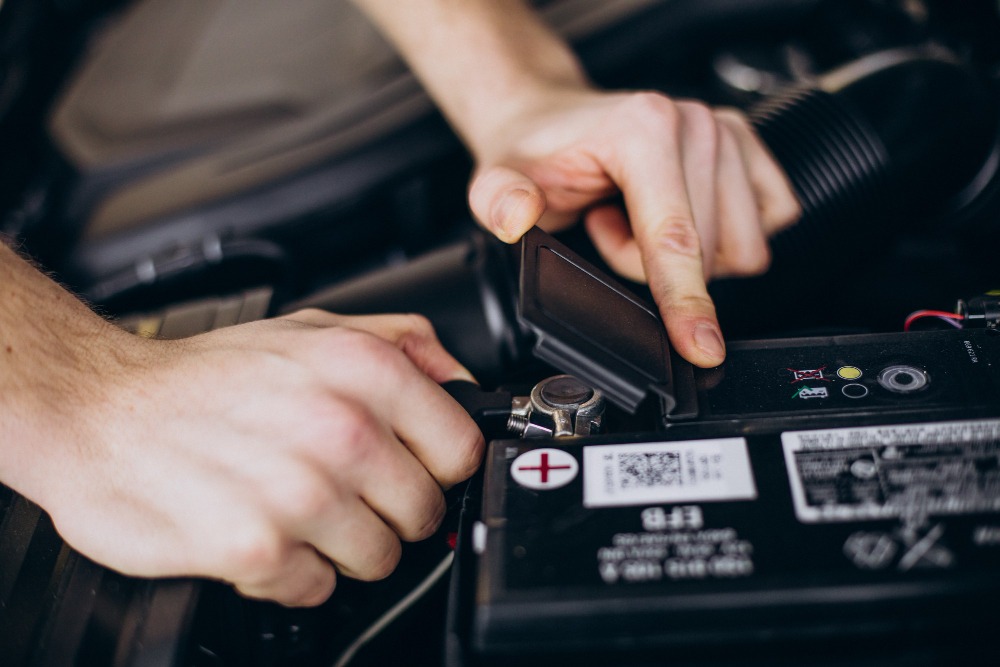
A car battery is one of the most essential yet overlooked components under the bonnet. It powers the starter motor, supports the electrical system, keeps accessories running, and ensures your vehicle starts reliably every day. But like every mechanical part, your battery has a limited durability. Understanding how often should you replace a car battery is important for avoiding unexpected breakdowns, costly repairs, and safety issues on the road. Staying proactive with routine checks and timely car battery replacement helps keep your vehicle running smoothly and reduces the risk of sudden failure when you need your car the most.
This guide outlines how long a car battery typically lasts, the early signs of deterioration, the key factors that affect battery condition, and when you should consider a car battery replacement.
How Long Does a Car Battery Last?
The average durability of a car battery is 3 to 5 years, depending on driving habits, weather conditions, and vehicle type. While this range is standard, not all drivers experience the same performance. Some batteries may fail earlier due to heavy electrical load, irregular driving patterns, or poor maintenance.
If you often find yourself searching for how often to replace a car battery, the safest guideline is to have it inspected annually once it has been in use for around three years. Regular preventive checks help detect weak voltage or internal wear early, reducing the risk of unexpected failure — and if any issues are found, you can quickly book a car battery replacement near you to avoid breakdowns.
How Often Should I Replace a Car Battery?
The recommended interval for most car owners is:
Every 3 to 4 years
This is a practical guideline for how often to replace a car battery, since most batteries gradually lose efficiency over time:
However, consider replacing your battery earlier if:
- You drive in extreme weather
- The vehicle is parked for long periods
- Your car has a high electrical load
- You notice slow cranking during start-up
If your vehicle has been in use for over four years and you notice unusual battery performance, scheduling a car battery replacement is a smart preventive step.
Common Signs Your Battery Needs Replacement
A failing battery rarely stops working suddenly; it usually shows clear warning signs before it completely dies. Here are some signs that your car’s battery needs replacement:
1. Slow Engine Crank
If your engine takes longer than usual to start, this is a clear sign of reduced cranking power.
2. Dim Lights or Electrical Issues
Flickering headlights, dim interior lights, or malfunctioning electronics often indicate a low voltage.
3. Dashboard Battery Warning Light
The battery symbol on the dashboard may appear when the electrical system senses an issue.
4. Corrosion on Battery Terminals
White or blue powder around the terminals can restrict current flow and impact overall battery performance.
5. Clicking Sound During Start
This occurs when the battery doesn’t have sufficient power to engage the starter motor.
6. Frequent Jump-Starts
If you often rely on jump-starts, the battery is close to failure and requires attention.
Ignoring these signs can lead to sudden breakdowns, especially during long trips or in harsh weather conditions.
Why Regular Testing Is Essential?
Battery issues are not always visible from the outside. Even if your car starts normally, the battery’s internal condition may still be deteriorating. Battery testing helps identify hidden problems early and reduces your chances of getting stranded.
Many workshops recommend yearly battery tests, especially during Audi, Mercedes, or BMW service in Melbourne or European vehicle maintenance, as these vehicles depend heavily on stable electrical power.
Regular voltage checks help determine how often you should replace a car battery more accurately based on your vehicle’s condition.
Does Vehicle Type Affect Battery Replacement Timing?
Yes, European cars such as BMW, Audi, Mercedes-Benz, Volkswagen, and Volvo require stronger batteries and may have shorter replacement intervals due to their advanced electrical and diagnostic systems.
You can rely on a European car mechanic near you for recommendations, as these vehicles often need closer battery monitoring because:
- European vehicles use AGM or enhanced flooded batteries.
- They contain multiple onboard computers.
- A weak battery can trigger warning lights or ECU errors.
What Happens If You Delay Battery Replacement?
Delaying car battery replacement can lead to:
- Sudden breakdowns
- Difficulty starting your vehicle
- Loss of safety and driver-assistance features
- Increased stress on the alternator
- Risk of getting stranded in remote areas
- Failure of essential systems like power steering or ABS
Replacing the battery on time is far more cost-effective than dealing with a roadside emergency or alternator damage.
Tips to Extend Your Car Battery Durability
While battery wear is unavoidable, these simple steps can help extend its durability:
- Drive regularly and avoid excessive short trips
- Keep terminals clean and corrosion-free
- Switch off lights and accessories when not in use
- Park in shaded or cool areas
- Check battery voltage during routine services
- Use the right battery type recommended for your vehicle
These habits can reduce how often you need a car battery replacement and help keep your electrical system in optimal condition.
Take Away
Knowing when to replace a car battery helps you avoid unexpected breakdowns, costly repairs, and stressful emergencies. With a proactive approach, regular checks, timely servicing, and early replacement, your vehicle can perform reliably year-round.
If your vehicle shows signs of a weak or failing battery, or it’s been several years since your last replacement, it’s recommended to schedule a car battery replacement without delay. A quick inspection and a correctly fitted battery can help maintain safe, smooth, and reliable performance every time you drive.