Car brakes naturally wear down over time because they engage every time you slow or stop your vehicle. When essential components like brake pads, rotors, or brake fluid begin to thin, warp, or lose effectiveness, your stopping distance increases, and the risk of brake failure also rises. Minor issues can become costly mechanical problems if ignored. However, early signs of brake wear are often subtle; scheduling a car brake service in Melbourne ensures regular inspections and maintenance, helping your brakes respond quickly, safely, and consistently when you need them.
To help you stay proactive, this blog will cover essential tips on maintaining car brakes that every car owner should follow to prevent sudden failures and reduce long-term repair costs.
What Should You Do to Keep Your Car Brakes in Optimal Condition?
Following these maintenance steps can help prevent brake issues and reduce the risk of costly repairs:
1. Schedule Regular Brake Inspections
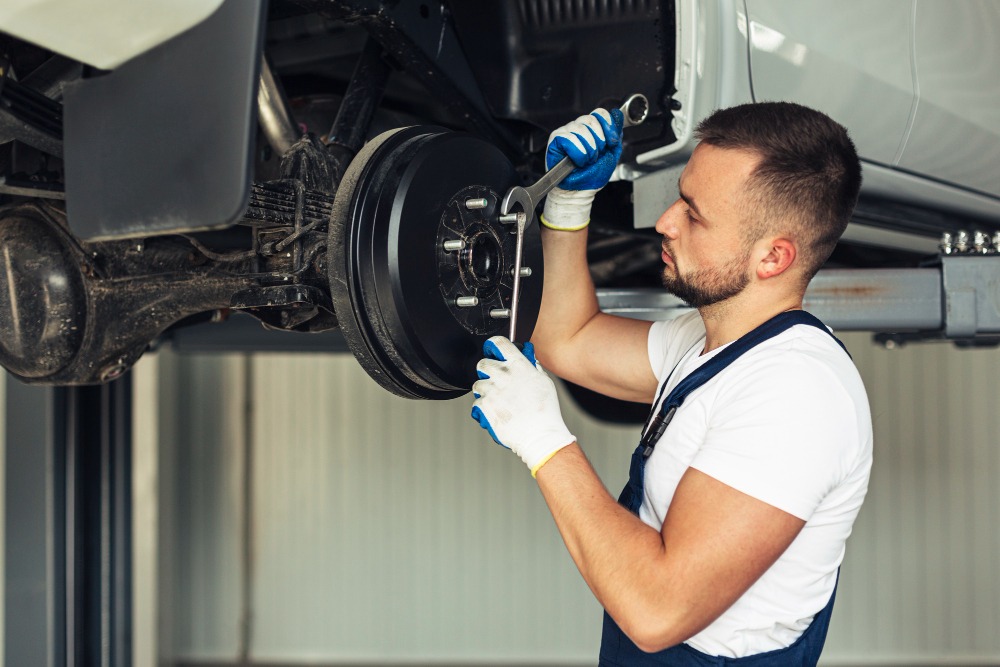
Regular brake checks help identify early signs of wear and ensure your braking system continues to operate safely. Most mechanics recommend inspecting your brakes every six months or at least once a year, depending on your driving habits. During a brake inspection, a mechanic will assess key components such as brake pads, rotors, brake fluid, callipers, and other essential parts to ensure everything is functioning correctly.
2. Listen for Unusual Brake Sounds
Unusual brake noises are clear early indicators of a problem. Squeaking or squealing often indicates worn brake pads, while grinding indicates the metal components are already rubbing together and need attention from an experienced mechanic. Fixing these sounds early helps prevent rotor damage and avoids costly repairs.
3. Monitor Brake Pedal Response
Your brakes should respond quickly and consistently. If the pedal feels spongy, sinks too low, or vibrates, it may indicate problems like air in the brake lines, worn rotors, or low brake fluid. These signs shouldn’t be ignored, as they directly affect your ability to stop safely.
4. Replace Brake Pads Before They Wear Out Completely
Brake pads naturally wear down the more you drive. Replacing them on time helps protect the rest of your braking system. Generally, brake pads last around 30,000–70,000 kilometres, depending on your driving style. If you wait too long to change them, you could end up damaging parts like the rotors, callipers or discs, and those repairs can get expensive. Regular brake checks make sure your car stops safely and can save you a lot of money over time.
5. Keep an Eye on Brake Fluid Levels
Brake fluid plays a crucial role in helping your brakes work — it carries the pressure from your foot on the pedal to the brake system. Over time, this fluid can absorb moisture, which makes it less effective and increases the risk of brake problems. Make sure you keep an eye on the brake fluid level and replace it as recommended by your car’s manufacturer. If the fluid looks dark or dirty, it’s a clear sign that it needs a full flush and fresh replacement.
6. Drive Smoothly and Avoid Hard Braking
How you drive greatly affects how quickly your brakes wear out. Hard braking, speeding, or tailgating puts extra strain on your brakes. On the other hand, keeping a safe distance and slowing down gradually helps your brakes last longer and work more efficiently.
7. Get Your Rotors Checked Regularly
Rotors work closely with brake pads, and any damage can affect overall braking performance. Warped or uneven rotors often cause vibrations or pulsation when you brake. If you notice these signs, get the rotors inspected and resurfaced or replaced. Regular checks from an experienced car mechanic in Melbourne help prevent further damage and maintain consistent stopping power.
8. Pay Attention to Warning Lights
Modern cars have sensors that warn you early if something’s wrong with your brakes. If the brake warning light turns on, don’t take it lightly. It could mean the brake fluid is low, the pads are worn out, or there’s a problem with the hydraulic or ABS system. Driving with this light on can be dangerous, so get it checked by a reliable mechanic as soon as you can.
9. Ensure Wheel Alignment and Tyre Condition Are Optimal
Your tyres and wheel alignment play a major role in how well your brakes work. Poorly aligned wheels make your brakes work harder, wearing the pads unevenly and faster. Worn-out or under-inflated tyres also reduce grip, meaning your car takes longer to stop. Keeping your tyres in good condition and your wheels properly aligned helps your car brake smoothly and extends the life of your brakes.
10. Contact Experienced Mechanics for Brake Repairs
Brake repairs should always be done by a skilled mechanic. You can look at your brakes at home, but anything more than a basic check needs a professional. If you drive a prestige or European car, it’s even more important to choose someone who understands modern, high-tech braking systems. An experienced mechanic will find the real problem, use quality parts and make sure your brakes are repaired safely and properly.
Additional Tips to Prevent Brake Wear
Below are a few extra pointers that can help enhance brake performance and durability:
- Avoid carrying unnecessary heavy loads, as added weight increases pressure on brakes.
- Use engine braking when suitable, especially while driving downhill.
- Wash your wheels regularly to prevent dirt, brake dust, and debris from accumulating around brake components.
- Avoid riding the brake pedal; instead, coast whenever possible.
- Always follow the recommended service intervals provided in your owner’s manual.
Small habits like these can substantially improve brake health and help you avoid sudden, costly replacements.
Take Away
How often you need to service your brakes depends largely on your driving habits, road conditions, and how you use your vehicle. Frequent stop-and-go driving, heavy traffic, towing, or driving in hilly areas can wear out brake components much faster. In contrast, consistent highway driving generally puts less strain on the braking system and may extend the life of your brake pads and rotors.
A general guideline is to get your brakes checked every 6 months or at least once a year. If you notice changes in pedal feel, unusual sounds, or reduced braking power, schedule an inspection.
If you’re unsure about the current condition of your brakes or have noticed any changes while driving, it’s ideal to have them assessed. Schedule a car service in Melbourne for a brake inspection with an experienced mechanic offering car brake service to keep your vehicle safe, responsive, and performing efficiently.